

Hiking shoes are a key element for any outdoor adventure. Whether you’re heading out for a light weekend hike or planning to conquer the highest peaks, the right shoes have a huge impact on the overall experience. In this guide, we will look at the main criteria you should consider to make the right choice...
How to Choose Hiking Boots: A Beginner's Guide


Hiking shoes are a key element for any outdoor adventure. Whether you’re heading out for a light weekend hike or planning to conquer the highest peaks, the right shoes have a huge impact on the overall experience.
In this guide, we will look at the main criteria you should consider to make the right choice for your needs.
What are hiking shoes?
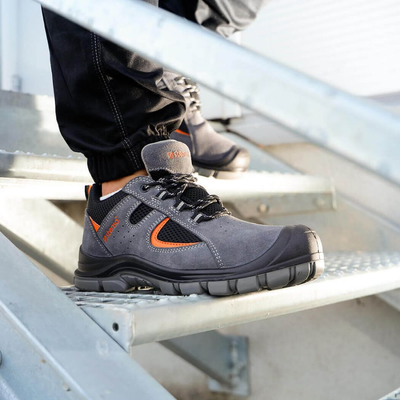
Hiking shoes are specialized, designed to provide comfort and protection during mountain walks. They are made to be durable and reliable while offering good support and grip on various terrains. Some models are also suitable for use as work shoes.
Whether you are an avid trekking enthusiast or a beginner wanting to explore the world of mountain hiking, you need to select the right ones for you.
Choose wisely: criteria to consider before buying
Choosing the right hiking shoes can make the difference between an unforgettable adventure and a painful experience. Let’s look at the main criteria you should consider.
Test the grip
A good sole with reliable grip is essential, especially on slippery or uneven terrain. When choosing hiking shoes, don’t forget to:
-
check the sole – pay attention to the design of the treads and the material. The treads should be deep and well-positioned to provide optimal grip on wet and slippery surfaces, as well as rocky and uneven trails. The sole material should also be durable and resilient to ensure longevity and reliability;
-
test the grip – try walking on different surfaces in the store to feel how they behave under various conditions. This will help you understand if they provide the necessary stability and security. Stable grip is essential for your safety during mountain hikes and other challenging places;
-
browse reviews – check online reviews and recommendations for the specific model. Reading opinions from other users can provide valuable information about the real performance of the shoes in different conditions and under various loads.
Reliable grip gives you confidence and stability, which is crucial on difficult terrains.
Softness and flexibility of the sole
The softness and flexibility of the sole are important for comfort during prolonged walking. Shoes with soles that are too stiff can cause fatigue and discomfort. Here’s what to look for:
-
flexible sole – check if it can bend easily. A flexible sole allows your foot to move more naturally and reduces fatigue during long distances. It provides better grip and adapts to unevenness, which is essential for your comfort and stability;
-
energy absorption – absorbs shocks and reduces strain on joints and muscles. Look for models that provide a soft feel when walking on rocky and hard terrains. This not only improves your comfort but also prevents injuries and pain;
-
weight – Hiking shoes are usually more comfortable for long distances as they reduce fatigue and strain. Their lightness allows you to move faster and easier without feeling burdened by their weight. When choosing, opt for materials that are both lightweight and durable to ensure an optimal balance between comfort and durability.
Do they provide good ankle support?
Ankle support is especially important to prevent injuries, especially on uneven terrain. What should you keep in mind?
-
high collar – When choosing, it is important to look for models with a high collar that wraps well around the ankle. It provides additional stability and protection, preventing ankle sprains and other injuries when walking on uneven terrain. It also keeps the foot in the correct position, which is crucial for safety and comfort during long hikes;
-
adjustable laces – Shoes with adjustable laces offer the possibility to customize support according to your individual needs. They allow you to tighten or loosen them based on the shape of your foot and terrain conditions, providing optimal fit and comfort. Adjustable shoelaces prevent loose fitting that can cause discomfort;
-
snug fit – Hiking shoes should fit snugly but not be too tight. A snug fit ensures that your foot will be stable and protected without unnecessary movement. This reduces the risk of injuries and provides better efficiency when walking on various terrains. It is important to find a balance between stability and comfort so you can enjoy your hikes without unnecessary worries.
Good ankle support prevents sprains and gives you confidence when stepping on uneven trails.
Are they resistant to moisture and soaking?
Protection from moisture is important when walking in wet or snowy conditions. Hiking shoes should keep your feet dry and warm. What should you look for?
-
waterproof materials – look for those made from Gore-Tex or other waterproof materials;
-
good sealing – check seams and seals for water leakage;
-
breathability – despite being waterproof, they should allow your feet to breathe.
Water- and moisture-resistant shoes provide comfort and protection in all weather conditions, which is key for long distances.
Why is it often recommended to buy one size larger than your usual size?
Buying hiking shoes one size larger than usual has several advantages that can improve your mountain experience, including:
-
Additional comfort
This choice provides extra space for movement and breathing. This is essential for long hikes when your feet may swell and need more room.
-
Blister prevention
A larger size reduces friction between the feet and shoes, significantly lowering the risk of blisters. This is especially important during long hikes when blisters can become a serious problem and spoil the enjoyment of the adventure.
-
Ability to wear thick socks
Hiking shoes with a larger size allow wearing thick socks for winter hikes. Thick socks not only provide extra warmth but also contribute to better insulation, protecting against cold and moisture.
A larger size provides the necessary freedom and comfort, which can be crucial during long walks. Shoes should offer a balance between space and support to avoid discomfort and injuries.
Choosing the right hiking shoes is an essential step for anyone involved in mountain trekking. In our online store Bultex99.com You will find a wide variety of solutions for all seasons and terrains, including summer and winter sneakers, boots, and more. With professional advice from our experts at Bultex99, every adventure will be more exciting and safe.


