

Welders are exposed to many risks – from high temperatures and flying sparks to the risk of mechanical impacts on construction sites. In this context, choosing the right work shoes work shoes is not just a matter of personal comfort but a key component of safety. Specialized models for welders offer a combination of protection...
Shoes for Welders: A Combination of Comfort and Protection


Welders are exposed to many risks – from high temperatures and flying sparks to the risk of mechanical impacts on construction sites. In this context, choosing the right work shoes work shoes is not just a matter of personal comfort but a key component of safety. Specialized models for welders offer a combination of protection and comfort, becoming an indispensable element of every professional’s uniform in the industry.
In this article, we will look at the main features that make these shoes an essential part of the gear, as well as how the right choice can guarantee both safety and comfort at work.
What are the main features of welding shoes?
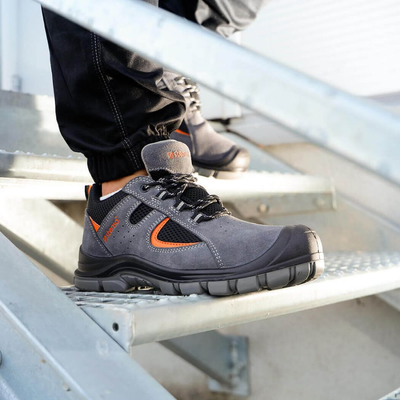
Welding shoes are most often made with uppers of water-repellent, breathable materials with high insulation to withstand very low or high temperatures. They have deep treads on the soles, providing additional grip and stability on slippery and icy surfaces.
Some models include a toe cap that protects against falling heavy objects, which is especially important in potentially hazardous work environments where there is a risk of mechanical impacts.
Welding shoes are usually slip-on, but there are models with a leather upper part that covers them. This feature is essential as it facilitates quick putting on and taking off, and also prevents the risk of laces getting caught or tangled in the work environment, which could lead to burns or other accidents.
These specifics make welding shoes extremely suitable for use in environments where safety and protection are of paramount importance.
Why is it important that they provide reliable protection?
Welding activities carry risks such as burns, cuts, and injuries from falling objects. Protective shoes, just like welding clothing, are designed to minimize these risks by protecting your feet at all times.
They are designed to offer not only protection from temperature effects and sparks but also from mechanical impacts and penetration. The combination of durability and comfort makes these shoes indispensable in the workplace.
What materials are used in their production?
The materials used to manufacture welding shoes are carefully selected to meet the specific challenges of the profession. Here is what is used for the different parts:
-
Upper
The upper of these shoes usually consists of special natural leather or suede, which, together with the insole, is treated with an antistatic coating to prevent the buildup of static electricity. These materials are impregnated and fire-resistant, ensuring durability during brief contact with very hot metal debris – a common occurrence in welding work. Such material treatment provides not only fire protection but also long-lasting durability of the shoes.
-
Inner lining
Quality models for welders use a textile lining that plays a key role in maintaining foot dryness and comfort. It effectively absorbs moisture, allowing the foot to breathe and preventing the formation of odors and skin irritations. The following types are found:
-
for winter – winter models use various additional insulating materials, either natural or synthetic, incorporated inside the shoe. These materials aim to retain heat, providing comfort to the feet even during extended outdoor work in subzero temperatures;
-
for summer – summer models feature special linings that provide natural ventilation for the feet. This offers additional comfort during prolonged use in warm conditions while minimizing the risk of overheating and moisture buildup inside the shoe.
-
Soles
The soles are made of fire-resistant thermoplastic polyurethane, which not only prevents slipping but also ensures resistance to stepping on hot surfaces. This feature is extremely important for ensuring workplace safety.
The choice of these materials and technologies in the production of shoes for welders reflects the commitment to providing the highest level of protection and comfort for professionals in this field.
How to recognize quality models?
Recognizing quality shoes for professional use, especially in industries where foot protection is critical, requires careful familiarity with personal protective equipment standards. Models with toe protection against impacts up to 200J are a basic requirement, but to ensure the quality and reliability of the models, they must comply with EN ISO 20345:2011 or EN ISO 20345:2022 standards.
The EN ISO 20345:2011 standard covers various shoe classifications depending on their specific protective features:
-
SB – indicates basic protection requirements;
-
S1 – includes basic requirements plus antistatic properties, energy absorption in the heel area, and fuel resistance of the outsole;
-
S1P – S1 with added penetration protection;
-
S2 – adds waterproofing of the shoe upper to the features of S1;
-
S3 – work shoes class S3 include all previous features plus additional penetration protection and waterproof outsole.
Regarding EN ISO 20345:2022, it expands and clarifies classification criteria, including new definitions for better water resistance, penetration resistance with metal and non-metal means, as well as specialized features like safety when working on ladders and specific terrain conditions.
To recognize quality models, look for the following key features:
-
detailed markings – indicating compliance with protection standards, such as S3 for shoes that offer full protection for various working conditions;
-
penetration protection (P) – which is especially important in environments where there is a risk of stepping on sharp objects;
-
water resistance (WR) and WPA (water penetration and absorption resistance) – for working in wet conditions;
-
antistatic properties (A) and energy-absorbing heel area (E) – to enhance comfort and safety during prolonged wear.
By introducing criteria such as HRO (heat-resistant outsole) and CI (cold insulation), these standards ensure that the shoes are suitable for extreme conditions, providing protection against a wide range of risks. Anyone looking for specialized models for welders should be familiar with these standards to make an informed and safe choice.
Why shop at Bultex99?
We offer a wide range of high-quality protective shoes for welders, mainly in men's sizes due to the nature of the profession, that meet high standards of safety and comfort. Shopping from our online store Bultex99.com gives you the opportunity to easily and conveniently select the ideal ones for your needs while benefiting from expert advice.
Choosing the right shoes for welders is essential for your workplace safety. Make sure you are informed about the key features, materials, and quality standards to make the best choice for yourself.


