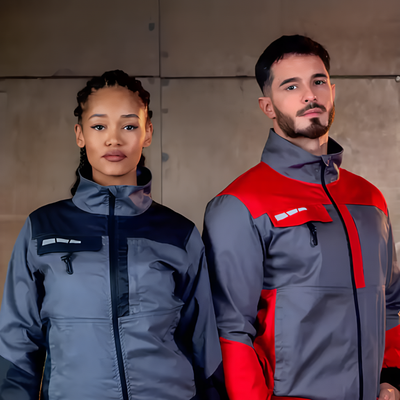
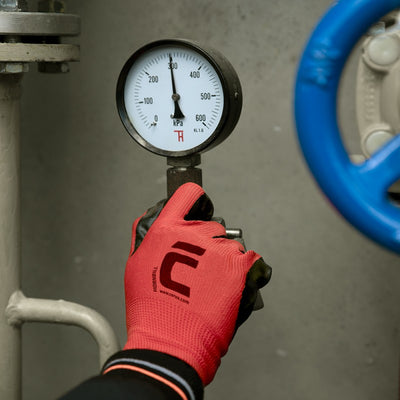
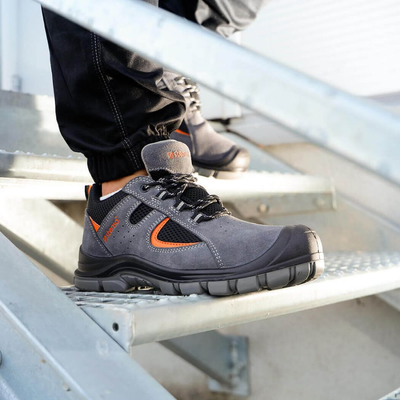
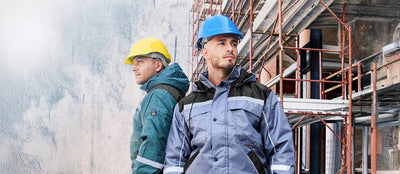


When it comes to work in low visibility or high-risk conditions, signal jackets are one of the most important parts of protective clothing. They combine protective and reflective elements that ensure visibility both during the day and in dark or adverse weather conditions. Thanks to standards EN ISO 20471 and EN ISO 13688, these garments guarantee safety and meet the strict requirements of international norms.
What is their application in different professions?
Signal jackets are part of HV clothing, widely used in various fields. They are suitable for both men's and women's clothing and are actively used in:
-
construction activities – for work around heavy equipment and in urbanized environments;
-
road infrastructure – for maintenance, marking, and road repair teams;
-
transport and logistics – for workers operating trucks, forklifts, and heavy machinery;
-
emergency teams and security – for activities in night conditions or limited visibility.
These jackets not only protect but also provide security for workers in hazardous situations.

Types of signal jackets and their characteristics
The variety of models allows selection according to season, profession, and specific working conditions. Here are the most commonly used options:
-
classic jackets – come with reflective strips on the torso and sleeves;
-
softshell – lightweight, comfortable, and made with stretch fabrics for freedom of movement;
-
models with TPU membranes – provide waterproofing and wind protection, withstanding a water column of several thousand mm;
-
winter reflective jackets with high density (g/m²) – provide warmth and comfort;
-
models with additional functionality – include multiple functional pockets, zippers, and buttons for greater practicality.
Each of these solutions is designed to guarantee a balance between protection and comfort.
Fabrics and manufacturing technologies
The quality of the reflective jacket largely depends on the materials used. Most often, the following are chosen:
-
polyester – for durability and longevity;
-
softshell – for lightness and comfort during dynamic work;
-
TPU membranes – for water and wind resistance;
-
combinations of stretch fabrics – allow greater freedom of movement.
Thanks to such technologies, these clothes combine functionality with high durability and reliability under various conditions.

Wide selection and high quality with the expertise of the Bultex99 online store
In Bultex99 you will find experts with many years of experience in the production and sale of signal jackets and other workwear, including pants, vests, etc. In our catalog, we offer men's and women's models that comply with global standards and are offered at affordable prices. We provide you with a variety of solutions that can be tailored to your professional needs and goals. Additionally, we offer you a wide catalog of other products, from work t-shirts up to bib overalls and work pants.
Types of reflective jackets and where they are used?
|
Type |
Material/technology |
Suitable application |
Colors |
|
Classic HV |
Polyester, reflective strips |
Construction, logistics |
Yellow, orange |
|
Softshell |
Softshell, stretch fabrics |
Dynamic work, spring/autumn |
Yellow, orange |
|
With TPU membrane |
Polyester + TPU |
Outdoor work, especially in rain and wind |
Yellow, orange |
|
Winter |
Polyester, warm lining |
Cold conditions, road infrastructure |
Yellow, orange |
Frequently Asked Questions (FAQ)
What distinguishes standard work jackets from reflective ones?
Signal jackets have reflective strips and meet visibility standards, making them mandatory when working in conditions with increased risk of injury.
What is the difference between a softshell and a classic HV jacket?
Softshell models are lighter and more elastic, while classic ones are more durable and versatile for different conditions.
What does "water column" mean in protective clothing with TPU membranes?
This is a measure of waterproofness. The higher the value (in mm), the better the protection against rain and moisture.
Are reflective jackets suitable for wearing outside of work?
Yes, they are often used by pedestrians, cyclists, or motorcyclists who move around during the dark hours of the day.
FREQUENTLY ASKED QUESTIONS
Cum aleg corect mărimea potrivită pentru o jachetă reflectorizantă?
Se pot personaliza jachetele reflectorizante cu logo sau text?
Sunt jachetele reflectorizante potrivite pentru toate anotimpurile?
Cât de des trebuie înlocuite jachetele reflectorizante?
- When making a selection, the entire page refreshes.
- Opens in a new window.